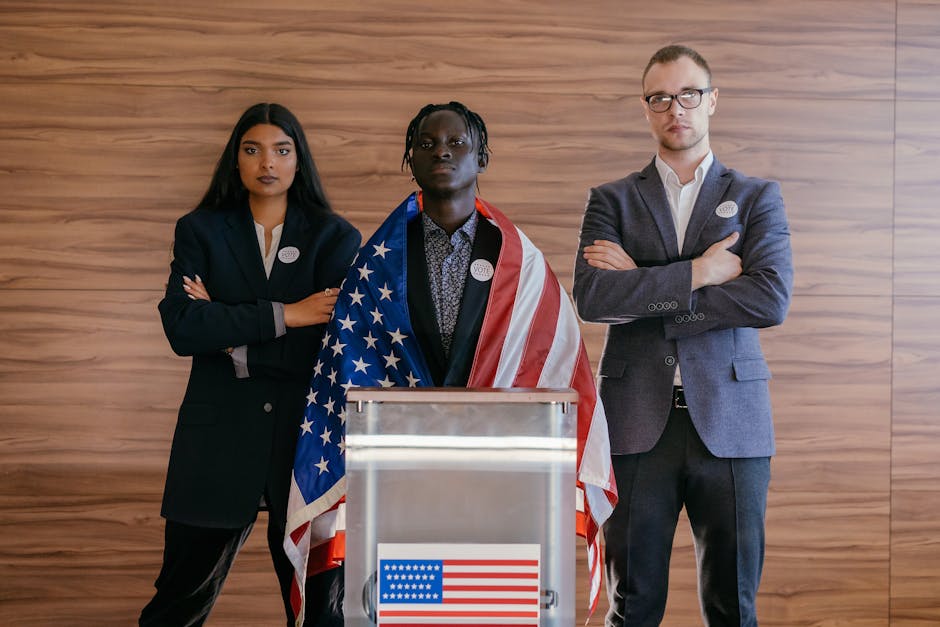
A more peaceful and stable political environment is beginning to shape the tone of the upcoming election, offering a contrast to previous cycles marked by tension and division, as political analysis and public sentiment trends continue to be discussed on https://qfgallery.com/.
A Noticeable Shift in Political Atmosphere
In many regions, observers are noting a gradual shift toward a calmer and more constructive political climate. This change is influencing not only how campaigns are conducted but also how voters engage with the process.
What’s Driving the Change
Several factors are contributing to this more measured environment:
- Voter fatigue from years of political polarization
- Increased calls for unity and collaboration
- Greater emphasis on policy over personal attacks
These elements are encouraging a more thoughtful and less confrontational approach to politics.
Campaign Strategies Are Evolving
With a less aggressive atmosphere, political campaigns are adapting their messaging and tactics.
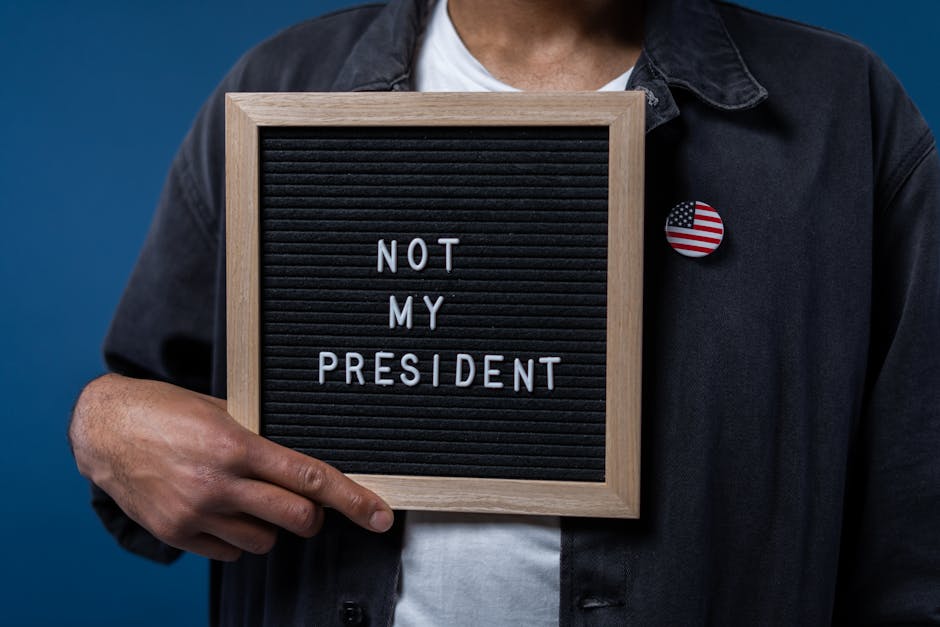
Focus on Issues Rather Than Conflict
Candidates are increasingly prioritizing:
- Economic policies and public services
- Long-term development plans
- Solutions to everyday challenges
This shift may lead to more substantive debates and clearer policy distinctions.
Voter Engagement in a Peaceful Climate
A calmer political environment can influence how voters participate in elections.
Renewed Interest and Participation
When tensions are lower, voters may feel:
- More comfortable engaging in discussions
- More open to different viewpoints
- More motivated to participate in the democratic process
This can lead to higher levels of informed decision-making.
The Role of Media and Public Discourse
Media coverage plays a critical role in shaping the tone of an election.
Encouraging Balanced Conversations
In a more peaceful climate, media outlets may:
- Highlight policy discussions over sensationalism
- Provide more in-depth analysis
- Promote respectful debate
This contributes to a more informed electorate.
Challenges Beneath the Surface
Despite the calmer tone, underlying political differences still exist.
Issues That Remain
- Policy disagreements between parties
- Economic and social concerns
- Regional and ideological divides
These challenges may resurface as the election approaches.
The Impact on Political Leadership
Leaders are being encouraged to adopt a more measured and responsible approach.
A Shift in Leadership Style
There is growing demand for:
- Transparency and accountability
- Collaboration across party lines
- Respectful communication
This could influence how future leaders govern.
Long-Term Implications for Democracy
A more peaceful political climate may have lasting effects beyond a single election.
Strengthening Democratic Processes
Potential benefits include:
- Greater trust in institutions
- Increased civic participation
- More constructive political dialogue
These outcomes can help build a healthier political system.
What to Expect as the Election Nears
While the current atmosphere is relatively calm, the intensity of the election cycle may still increase.
Possible Developments
- Heightened campaign activity
- More direct policy debates
- Increased voter outreach efforts
Maintaining a respectful tone will be key to sustaining the positive shift.

Conclusion
The emergence of a more peaceful political climate offers a promising backdrop for the upcoming election. By focusing on issues, encouraging respectful dialogue, and engaging voters constructively, this shift could redefine how elections are conducted.
If sustained, this approach may not only influence the current election but also set a new standard for future political engagement—one rooted in collaboration, understanding, and meaningful progress.
Related reading: Apple Devices Rise in Rankings Among Forbes’ Top Must-Have Gadgets | How Customer Engagement Marketing Is Reshaping Modern Economic Strategies