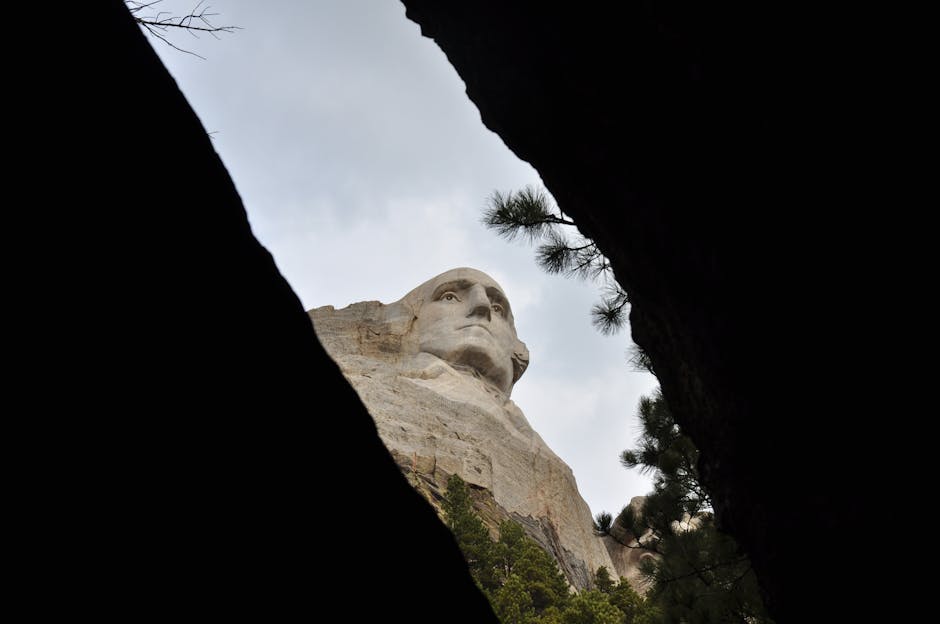
In an age defined by speed and digital communication, even the process of introducing presidential candidates is evolving. What once involved lengthy campaigns and gradual public exposure can now unfold in a matter of minutes, capturing national attention almost instantly. The rapid presentation of new presidential candidates reflects a shift in political strategy, media influence, and voter engagement. For more insights on politics and global trends, visit https://qfgallery.com/.
The Changing Pace of Political Announcements
Traditionally, presidential candidates were introduced through carefully staged events, extended media coverage, and gradual messaging. Today, the process has become significantly faster.
With the rise of social media, livestreams, and 24/7 news cycles, candidates can be presented to millions of people almost instantly. This accelerated pace allows political parties to respond quickly to changing circumstances and public sentiment.
The Role of Digital Media
Digital platforms play a central role in how candidates are introduced and perceived.
Instant Visibility
Announcements can now reach global audiences within seconds. A single press conference, livestream, or social media post can generate widespread attention without the need for traditional media gatekeepers.
Controlling the Narrative
By using their own channels, political organizations can shape the message more directly. This reduces reliance on external interpretation and allows candidates to present themselves on their own terms.
Strategic Advantages of Rapid Introductions
Presenting candidates quickly offers several strategic benefits.

Responding to Political Momentum
In fast-moving political environments, timing is critical. Rapid introductions allow parties to capitalize on momentum, address emerging issues, or fill leadership gaps without delay.
Generating Immediate Buzz
Short, impactful announcements can create a surge of public interest. The element of surprise often leads to increased media coverage and social media engagement.
Challenges of Speed in Politics
While speed offers advantages, it also comes with risks.
Limited Public Familiarity
Introducing candidates quickly may leave voters with limited time to understand their policies, experience, and qualifications.
Increased Scrutiny
In today’s connected world, any candidate—new or experienced—faces immediate and intense scrutiny. Rapid exposure means that past actions and statements can quickly resurface.
The Impact on Voter Engagement
The way candidates are introduced can influence how voters perceive and engage with them.
Shorter Attention Spans
Modern audiences often consume information quickly, making concise introductions more effective. However, this can also lead to oversimplification of complex political issues.
The Need for Ongoing Communication
A brief introduction is only the beginning. Candidates must follow up with consistent messaging, policy discussions, and public appearances to build trust and credibility.
Media’s Role in Amplifying the Moment
Even with direct communication channels, traditional media still plays a significant role.
Breaking News Coverage
Major announcements are quickly picked up by news outlets, amplifying their reach and providing analysis.
Framing Public Perception
Media narratives can influence how candidates are viewed, highlighting strengths or raising concerns that shape public opinion.
A Reflection of Broader Political Trends
The rapid introduction of presidential candidates reflects larger changes in the political landscape.
Faster Decision-Making Cycles
Political organizations are adapting to a world where decisions must be made quickly and communicated effectively.
Increased Competition
With more voices and platforms in the political arena, standing out requires speed, clarity, and strong messaging.
What Comes After the Introduction
A quick introduction is only the first step in a long process.
Building a Campaign Identity
Candidates must quickly establish their identity, values, and priorities to connect with voters.
Engaging with the Public
Town halls, debates, and policy discussions remain essential for deepening voter understanding and support.
Conclusion
The rapid presentation of new presidential candidates highlights how politics is adapting to a fast-paced, digital-first world. While this approach offers speed and visibility, it also demands careful follow-through to ensure voters are informed and engaged.
As political communication continues to evolve, the challenge for candidates will be balancing immediacy with depth—capturing attention quickly while building lasting trust over time.
Related reading: Why Mobile Marketing Is Driving the Future of E-Commerce Growth | How Social Media and Mobile Gaming Are Driving Higher Sales in the Digital Economy